THE PEOPLE OF TANZANIA
Tanzania’s tribes and cultures are just as captivating as the country’s famous wildlife and stunning landscapes. What makes Tanzania even more intriguing is its rich cultural tapestry, woven from more than 120 unique tribes, each with its own distinct traditions and customs. The most enriching way to gain insight into these diverse cultures is to immerse yourself by including visits to some of these communities in your itinerary. While it’s impossible to detail all the tribes in Tanzania, here are a few you might consider exploring:
THE MAASAI
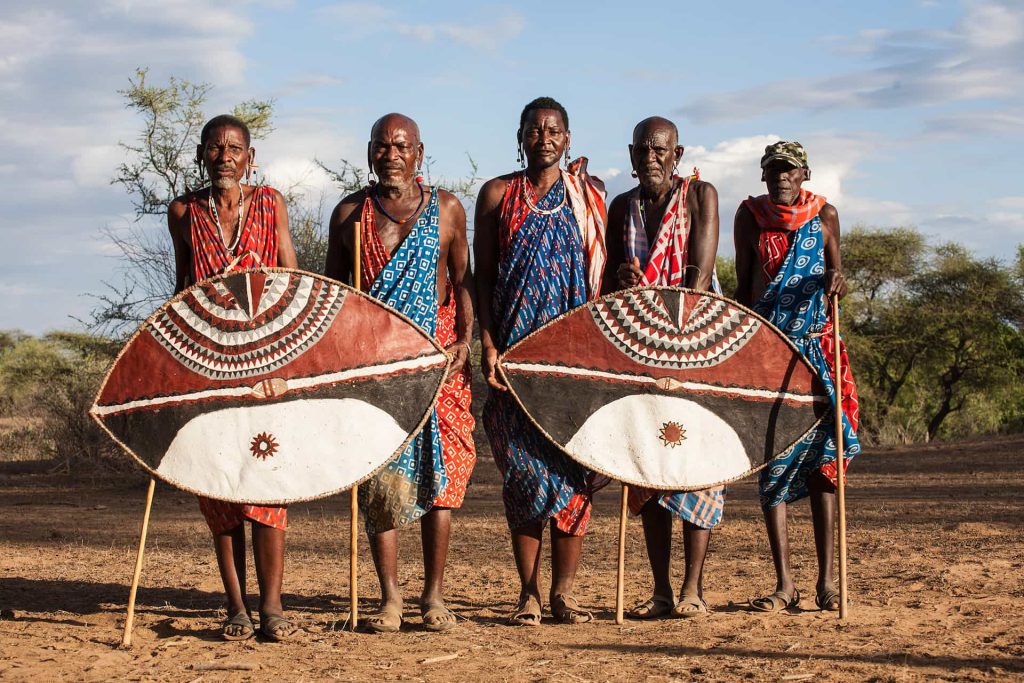
The Maasai are a Nilotic ethnic group native to northern, central, and southern Kenya, as well as northern Tanzania. They are one of the most internationally recognized communities in East Africa, partly due to their proximity to the renowned game parks of the African Great Lakes region and their unique customs and traditional attire. The Maasai speak the Maa language, although many are also fluent in Swahili and English due to increased access to education in Kenya and Tanzania. Known for their pastoral lifestyle, the Maasai have a legendary reputation as fearless warriors and skilled cattle herders.
THE HADZABE
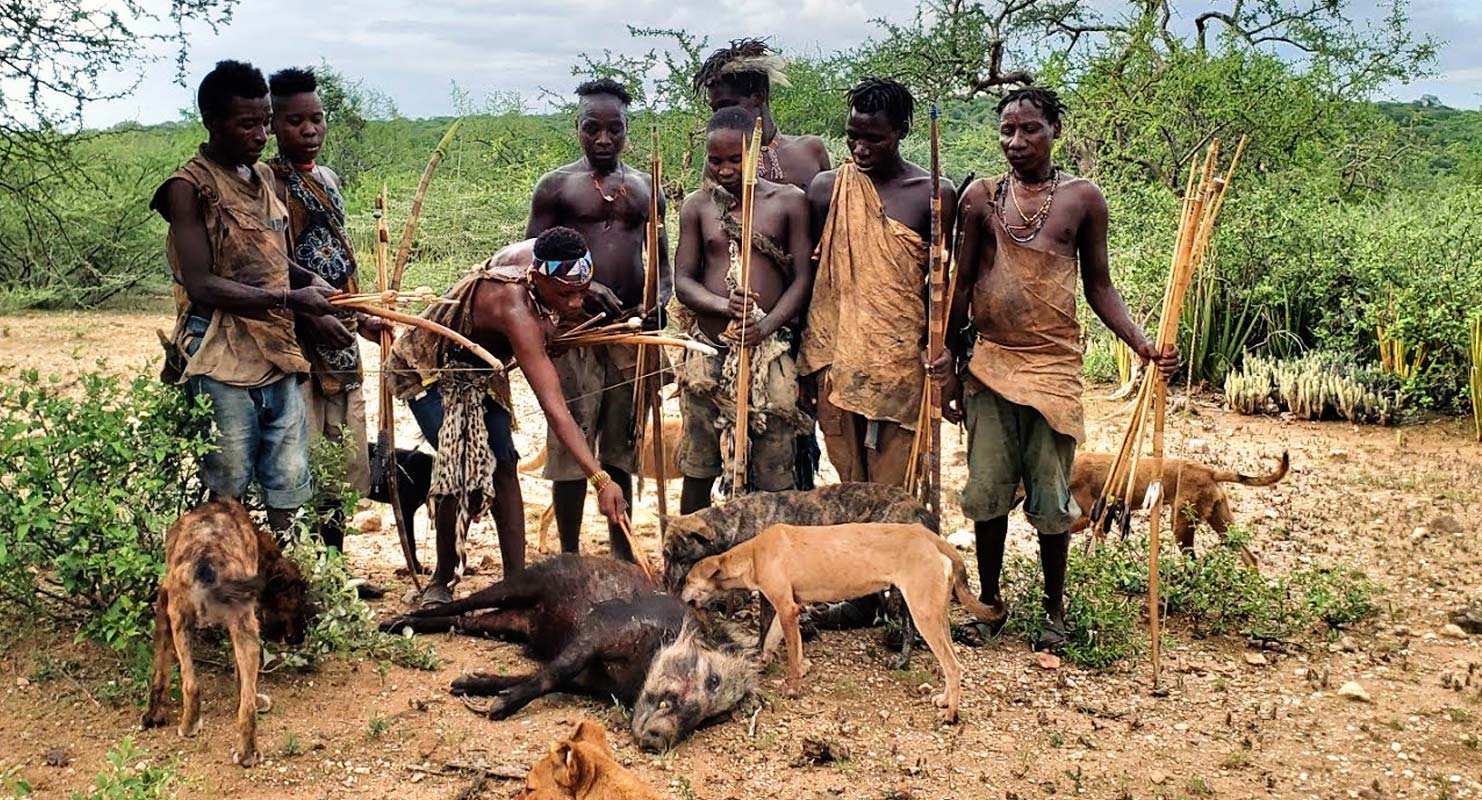
The Hadza, also known as the Hadzabe, are an indigenous ethnic group residing in north-central Tanzania, primarily around Lake Eyasi in the central Rift Valley and the nearby Serengeti Plateau. They are among the last remaining hunter-gatherer communities in the world. As of 2015, the Hadza population in Tanzania was estimated to be between 1,200 and 1,300 individuals, with only about 300 to 400 still relying solely on traditional foraging and hunting practices. However, their way of life faces significant challenges, particularly from the encroachment of pastoralists into their ancestral lands. Learn more about the invaluable lessons we can gain from the Hadzabe and their sustainable lifestyle.
THE IRAQW
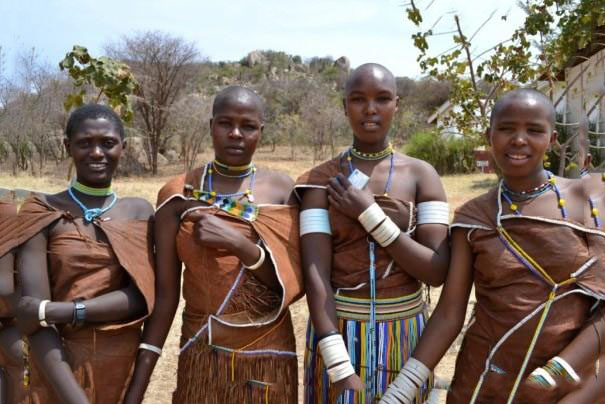
The Iraqw are a Cushitic ethnic group native to the Arusha and Manyara regions of north-central Tanzania. Known for their statuesque posture and sharp features, the Iraqw are a reserved community that primarily sustains itself by growing crops and raising cattle, selling produce or livestock only when necessary. Their language, belonging to the South Cushitic branch of the Afro-Asiatic family, has similarities to Arabic. The Iraqw homeland is centered around the Karatu area in the Arusha region, where visitors can observe their innovative and intensive farming techniques. Historically, the Iraqw often clashed with the Maasai, prompting them to build homesteads with underground tunnels for protection. These intricate structures can still be explored during a visit to the Karatu region.
THE DATOGA
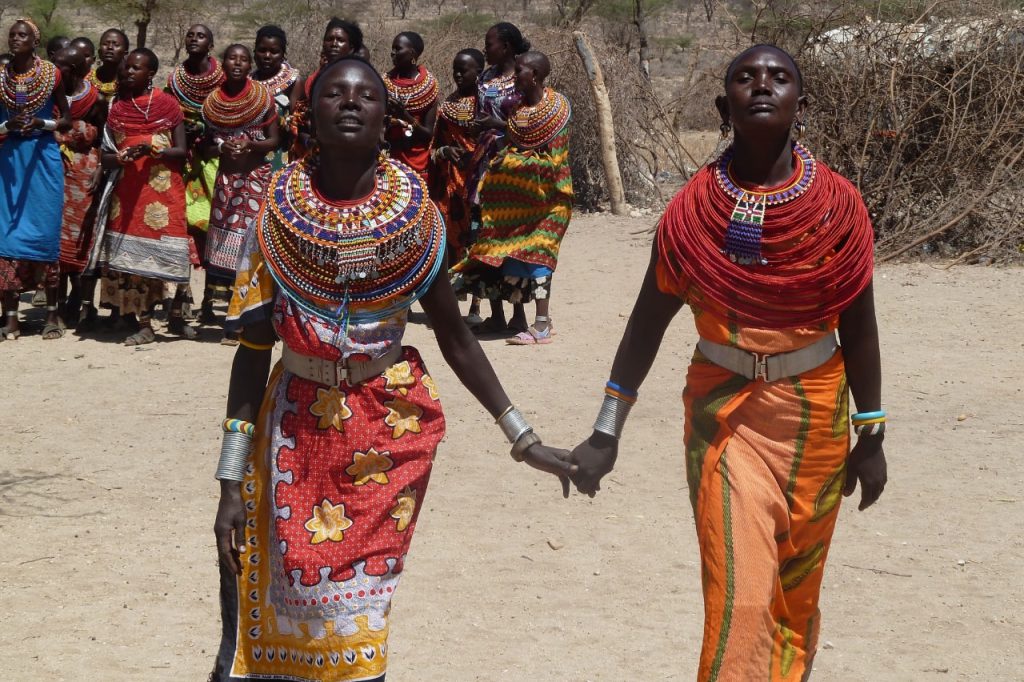
In the 18th century, the Datoga people occupied vast areas of northern Tanzania. However, during the great Maasai expansion, they were gradually displaced and eventually confined to regions near Lake Manyara and Lake Eyasi. The Datoga are agro-pastoral nomads who speak a Nilotic language. They are known for their farming expertise and craftsmanship. As a proud community with a reputation for being fierce warriors, they maintain strong cultural traditions. Datoga women are easily recognized by their vibrant reddish leather dresses, adorned with intricate beadwork, brass bracelets, and handmade necklaces. Another distinctive feature of the Datoga is the decorative tattooing in circular patterns around their eyes, a unique element of their identity.